
The Greatest Glow-Ups in College Football
In the three seasons before Curt Cignetti showed up, Indiana went 9–27. Two years later the Hoosiers were 16–0, beat Miami 27–21 for the national title, and finished No. 1 in the final AP poll. Indiana. Football. No. 1. That's one of the wildest glow-ups the sport has ever seen. But is it the wildest? We rated every head-coaching run at every major program since the late 1960s, 1,044 of them, to find out who took a team from rough to ridiculous.

How do you measure a glow-up?
Wins and losses are a start, but they're sneaky. Going 10–2 against a cupcake schedule isn't the same as going 10–2 in the SEC. So we used the same team rating from our regional power post. It looks at every final score since 1965, then adjusts for who you played and where.
What the rating means
A team's rating is how many points per game better (or worse) it was than an average major college team that season. A +10 team would beat an average team by about 10 points on a neutral field. A −15 team would lose to that same average team by about 15. It matches up closely with the fancier SP+ ratings where both exist (a 0.94 correlation, where 1 would be a perfect match).
Then, for every coach, we compared two things:
- Before: the program's average rating over the three seasons before he arrived. Three seasons, so one fluky bad year doesn't make his starting point look worse than it was.
- Peak: his best two seasons in a row there. Two seasons, so one lucky year doesn't count as building a program.
The glow-up is the gap between the two. To qualify, a coach needs at least two seasons at the school, and the program needs ratings for all three seasons before him. Since our ratings start in 1965, the earliest coaches we can grade started in 1968. And 2026 isn't in here yet, because it's still being played.
The top 25
Here they are. The gray dot is where the program was before the coach showed up, and the blue dot is his best two-season stretch. The longer the line, the bigger the glow-up. Ranks are out of every major college team that season (somewhere between 104 and 143, depending on the year).
| # | Coach | Rank before | Rank at peak | Upgrade | |
|---|---|---|---|---|---|
| 1 | Bill SnyderKansas State, 1989–2005 | 103rd | 2nd–3rd (1998–99) | +35.4 | |
| 2 | Bobby BowdenFlorida State, 1976–2009 | 104th | 1st (1992–93) | +28.0 | |
| 3 | Curt CignettiIndiana, 2024–25 | 102nd | 2nd–3rd (2024–25) | +27.2 | |
| 4 | June JonesHawai’i, 1999–2007 | 105th | 13th (2006–07) | +26.1 | |
| 5 | Bill McCartneyColorado, 1982–94 | 122nd | 5th–6th (1989–90) | +24.9 | |
| 6 | Bob StoopsOklahoma, 1999–2016 | 78th | 2nd (2007–08) | +24.8 | |
| 7 | Jack PardeeHouston, 1987–89 | 73rd | 4th (1988–89) | +24.6 | |
| 8 | Don JamesWashington, 1975–92 | 79th | 1st–2nd (1990–91) | +23.6 | |
| 9 | Justin FuenteMemphis, 2012–15 | 115th | 23rd–24th (2014–15) | +23.5 | |
| 10 | Art BrilesBaylor, 2008–15 | 92nd | 4th (2013–14) | +23.5 | |
| 11 | Barry AlvarezWisconsin, 1990–2005 | 92nd | 5th–6th (1998–99) | +23.4 | |
| 12 | Greg SchianoRutgers, 2001–11 | 105th | 17th (2006–07) | +21.3 | |
| 13 | LaVell EdwardsBYU, 1972–2000 | 68th | 1st–2nd (1979–80) | +20.0 | |
| 14 | Johnny MajorsPittsburgh, 1973–76 | 100th | 6th (1975–76) | +19.6 | |
| 15 | Mike PriceUTEP, 2004–12 | 113th | 44th–45th (2004–05) | +19.1 | |
| 16 | Jeff TedfordFresno State, 2017–19 | 111th | 20th–21st (2017–18) | +19.1 | |
| 17 | Jerry ClaiborneMaryland, 1972–81 | 104th | 12th–13th (1973–74) | +18.9 | |
| 18 | Gary BarnettNorthwestern, 1992–98 | 97th | 24th (1995–96) | +18.5 | |
| 19 | Randy WalkerMiami (OH), 1990–98 | 86th | 22nd–23rd (1997–98) | +18.4 | |
| 20 | Grant TeaffBaylor, 1972–92 | 112th | 21st (1979–80) | +18.3 | |
| 21 | Pete CarrollUSC, 2001–09 | 45th | 1st–2nd (2004–05) | +18.2 | |
| 22 | Billy NapierLouisiana, 2018–21 | 106th | 15th–16th (2019–20) | +18.1 | |
| 23 | Jeff TedfordCalifornia, 2002–12 | 84th | 11th (2003–04) | +18.0 | |
| 24 | Hayden FryNorth Texas, 1973–78 | 112th | 20th–21st (1977–78) | +18.0 | |
| 25 | Jimbo FisherFlorida State, 2010–17 | 44th | 2nd–3rd (2012–13) | +17.8 |
Rating scale: points per game better (+) or worse (−) than an average major college team. Upgrade = best two straight seasons minus the three seasons before. Ranks with a dash (like 2nd–3rd) are averages over two seasons. Hover a line for the exact numbers.
The top three
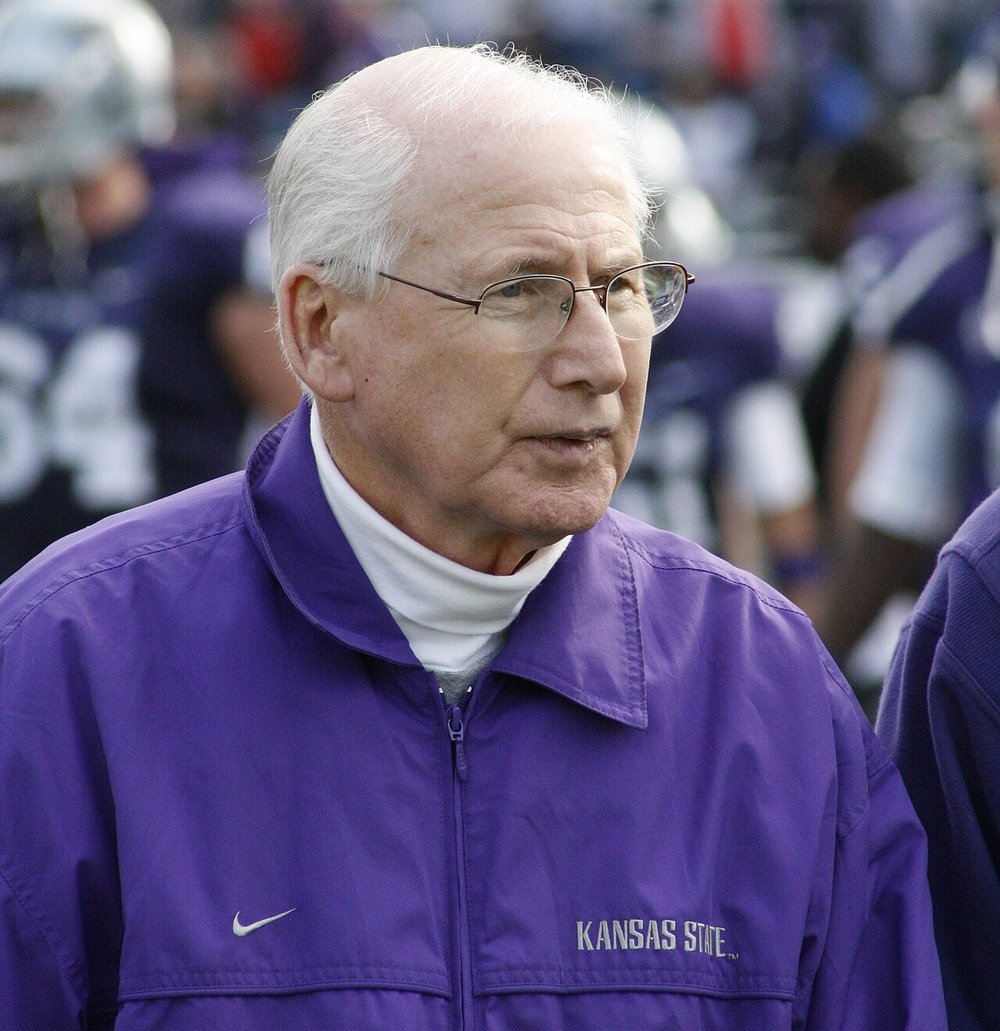

1. Bill Snyder, Kansas State (+35.4). Before Snyder, Kansas State went 2–9, then 0–10–1, then 0–11. That's two wins in three years. His first team went 1–10, so it wasn't magic overnight. But the program kept climbing, and by 1998 our rating had Kansas State as the best team in the country. Across 1998–99 it was 19.0 points per game better than an average team, after starting 16.5 points worse. That's a 35-point swing, 7.4 points more than anyone else. For reference, that's like turning a team that loses to an average opponent by more than two touchdowns into one that beats it by nearly three.
2. Bobby Bowden, Florida State (+28.0). Florida State went 0–11, 1–10 and 3–8 in the three seasons before Bowden. He stayed for 34 years, and in 1993 the Seminoles went 12–1 and finished No. 1, in the AP poll and in our rating.

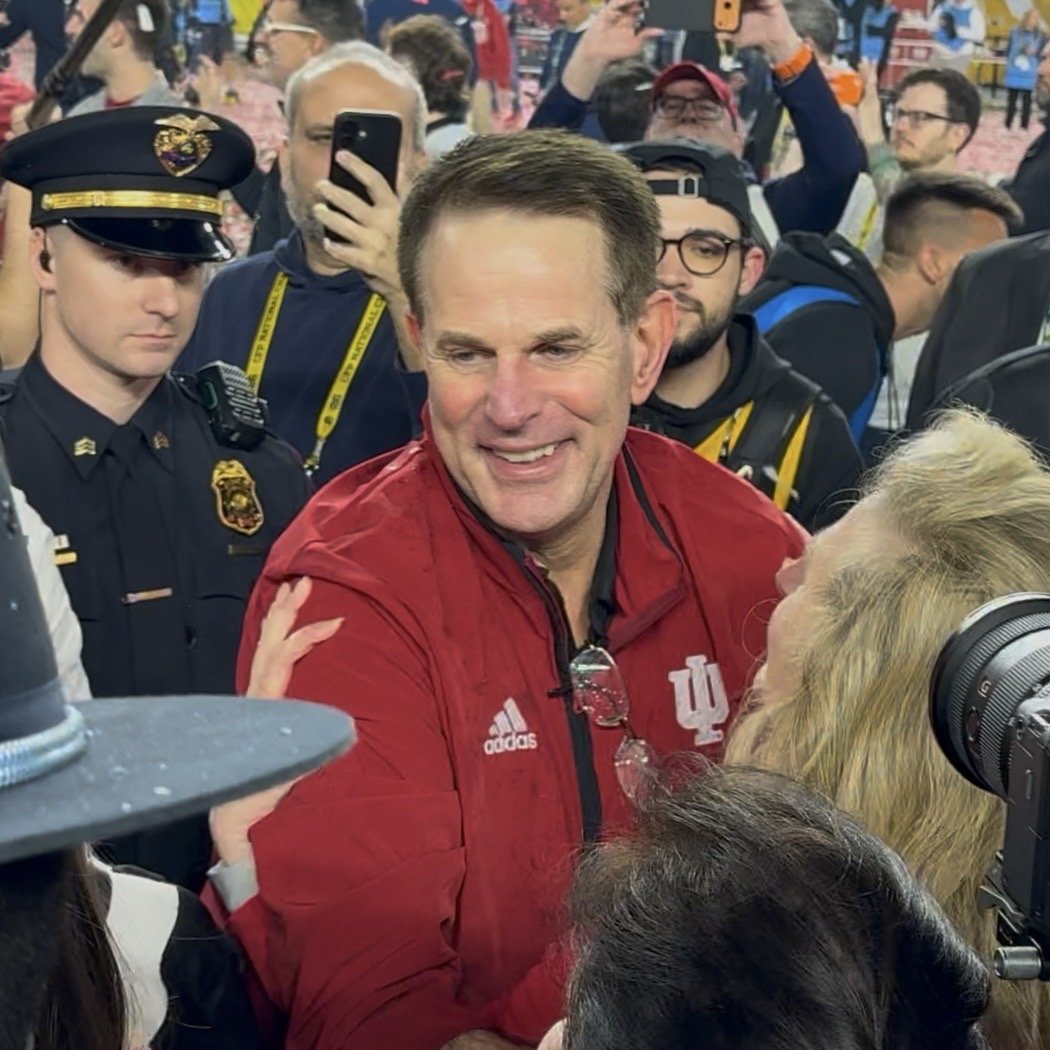
3. Curt Cignetti, Indiana (+27.2). Indiana went 2–10, 4–8 and 3–9 before him. Year one: 11–2 and 4th in our rating. Year two: 16–0, 1st in our rating, and 1st in the final AP poll. Fun detail: Indiana's starting point (about 102nd) wasn't nearly as low as Kansas State's. Cignetti is third because his peak is so high. His two Indiana teams were 20.9 points per game better than average. Only two coaches on the list had a higher peak: Pete Carroll at USC and Jimbo Fisher at Florida State.
Nobody's ever done it faster
There's a catch in comparing Cignetti with Snyder and Bowden: they had 17 and 34 seasons to put together their best two-year stretch. Cignetti has had exactly two. So let's put everybody on the same clock. Here's the upgrade in each coach's first two seasons:
Average rating in the first two seasons minus the three seasons before. Year shown is the coach's first season.
That's not a close race. Cignetti's first two seasons were +27.2. The next-best start ever was Bob Stoops at Oklahoma, +19.7, and Stoops won a national title in his second season! Cignetti is also No. 1 if you average each coach's whole tenure instead of his best two years. Of course, his whole tenure is two years. Check back in a decade.
Isn't this just bad teams bouncing back?
Good question, and some of it is. Coaches mostly get hired after bad seasons, and bad seasons usually come with some bad luck: injuries, close losses, weird bounces. Luck tends to even out, so even a so-so coach usually looks a little better than the guy before him.
Regression to the mean
Stats nerds call this “regression to the mean.” If you have a terrible day, your next day will probably be better, and not because you did anything different. Things that are unusually bad (or good) tend to drift back toward normal.
So we checked. For every coach on the list, we found the other new coaches who inherited a program about as bad as his (within 3 points) and looked at what they did in the same number of seasons. For the top 25, that typical bounce-back was somewhere between 0.5 and 9.6 points. Every one of them beat it by 9.7 to 26.3 points. Across all 1,044 coaching runs, the typical upgrade is just +3.2. So these glow-ups are real work, not free bounces.
Wait, where's Nick Saban?
Saban's Alabama teams finished No. 1 in the AP poll six times. Why isn't he on the list? Because this list measures how far a coach moved a program, and Alabama was already pretty good when he got there. Same story for a bunch of the sport's biggest names:
| Coach | Rank before | Rank at peak | Upgrade | Spot of 1,044 |
|---|---|---|---|---|
| Tom OsborneNebraska, 1973–97 | 2nd | 1st | +4.5 | 452nd |
| Kirby SmartGeorgia, 2016–25 | 23rd | 1st | +12.5 | 107th |
| Urban MeyerFlorida, 2005–10 | 23rd | 1st–2nd | +13.4 | 89th |
| Steve SpurrierFlorida, 1990–2001 | 25th | 2nd | +14.2 | 66th |
| Dabo SwinneyClemson, 2008–25 | 20th | 1st–2nd | +15.2 | 52nd |
| Nick SabanAlabama, 2007–23 | 31st | 2nd–3rd | +15.9 | 45th |
Tom Osborne is the extreme case. He took over a Nebraska program that was about 2nd in the country and made it… 1st. His upgrade was only +4.5, which puts him 452nd. That's not a knock on Osborne. You just can't glow up much when you're already glowing. It's like trying to improve on an A+.
How sure are we?
We tried measuring it three other ways: averaging each coach's whole tenure, using only the one season before he arrived as the starting point, and subtracting the typical bounce-back. Snyder and Cignetti stay in the top seven every single way. Bowden drops to 21st when only the season before him counts, because Florida State's 1975 team was a lot less bad than its 1973 and 1974 teams. Past the top few, the order shuffles: between 13 and 16 of the top 25 stay in the top 25 each way. So the top of the list is solid. The middle is a matter of taste.
A few more fun ones
- Florida State shows up twice. Bowden at No. 2, and Jimbo Fisher at No. 25, who took over from Bowden and rebuilt from the slump at the end of Bowden's run.
- So does Jeff Tedford: at California in 2002 and at Fresno State in 2017, 15 years apart.
- Baylor has two, too: Grant Teaff (1972) and Art Briles (2008).
- Pete Carroll's USC is the one blue blood on the list. USC was about 45th in the three seasons before him, and his 2004–05 teams rated 1st–2nd in the country.
Data: final scores for every game with a top-division team, 1965–2025, and head coaches by school and season, from CollegeFootballData.com. The team rating is fit separately for every season from scores alone, adjusted for opponents and home field. A season belongs to whichever coach coached most of its games, so interim coaches don't start a tenure. A tenure is an unbroken run at one school: Bill Snyder's two stints at Kansas State count separately, and his second one (2009–18) isn't in the top 25. Coaches hired before 1968, like Bear Bryant and Darrell Royal, can't be graded, because there aren't three rated seasons before them. Cignetti's James Madison teams can't be graded either: JMU only joined the top division in 2022, so it doesn't have three rated seasons before him.